

Made in Peru, traded fairly
Responsible Sourcing
Where our alpaca comes from, who makes each piece, and the terms we trade on.

Made in Peru
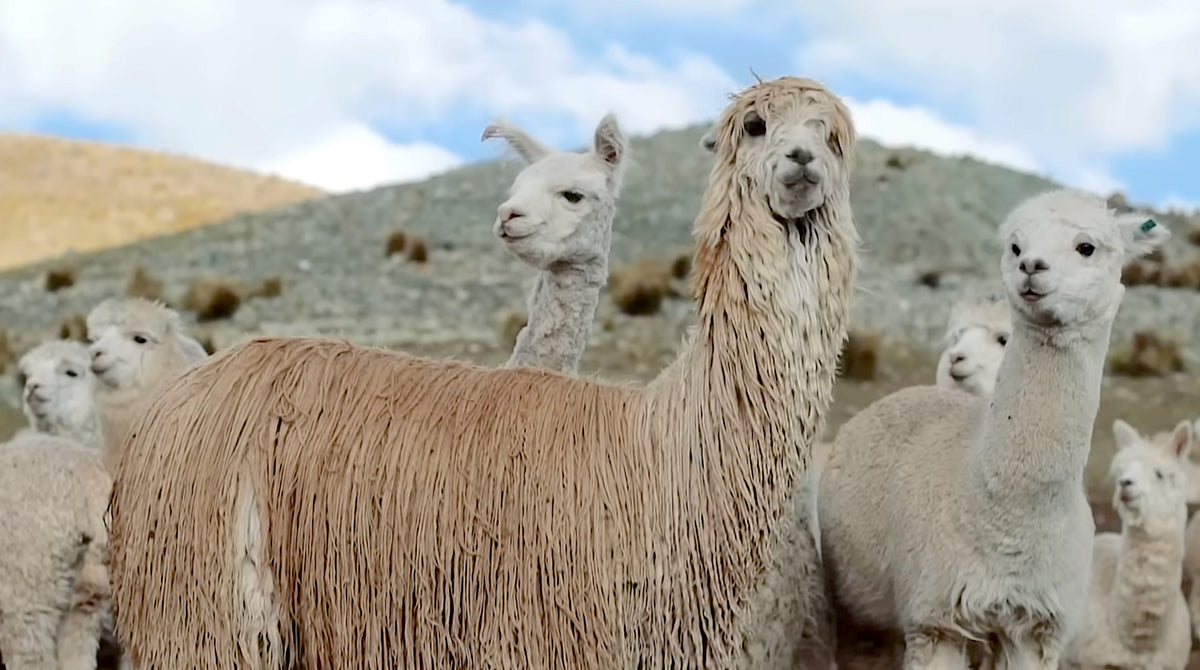
Peru is home to the finest alpaca fibre in the world and to a textile tradition that goes back thousands of years. Every Lacorine piece is made there, close to where the fibre is grown, by people whose skills have been passed down through families and communities.
The Andes give alpaca its character. At altitude, with cold nights and strong sun, the animals grow a fleece that is soft, light and warm beyond its weight. Staying close to that origin lets us see the whole journey from fleece to finished piece, and answer for it.
The people who make it
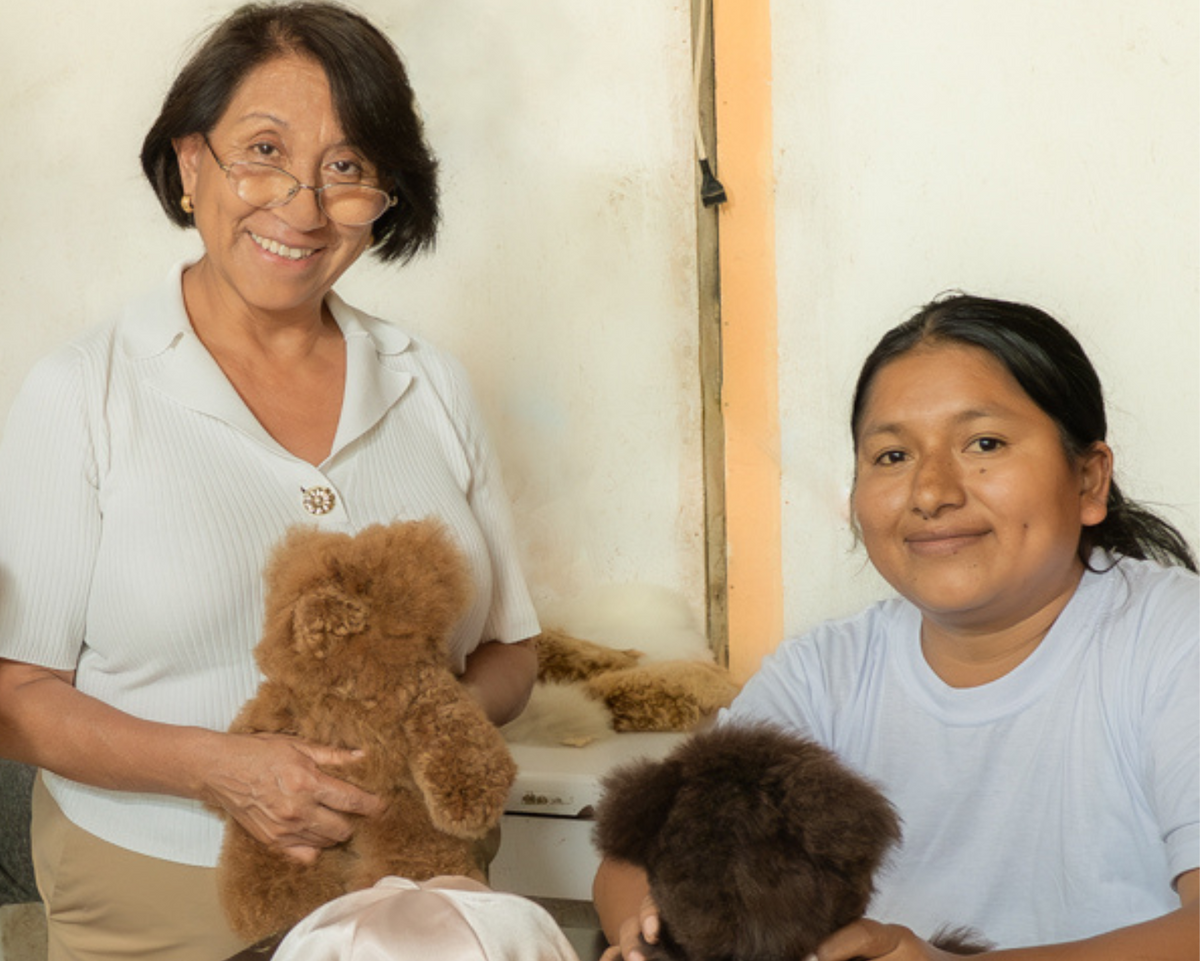
We work with small workshops and independent family businesses in Peru rather than large factories, and a local Lacorine employee in Peru keeps that relationship close. Spinning, weaving, knitting and finishing are skills learned over years, using methods that have changed little over generations, and they take the time they take.
These are long-term relationships. We buy in small quantities, pay a fair price agreed with each supplier, and consult before any order is changed or cancelled. Producing less keeps all of that possible: there is time to do each stage properly, and the people doing it are paid properly for it.

From fibre to finished piece
01 From fleece to yarn
It starts with the fleece. Fibre is sorted for fineness and consistency, then cleaned and spun so the yarn stays soft but strong enough to hold its shape for years.

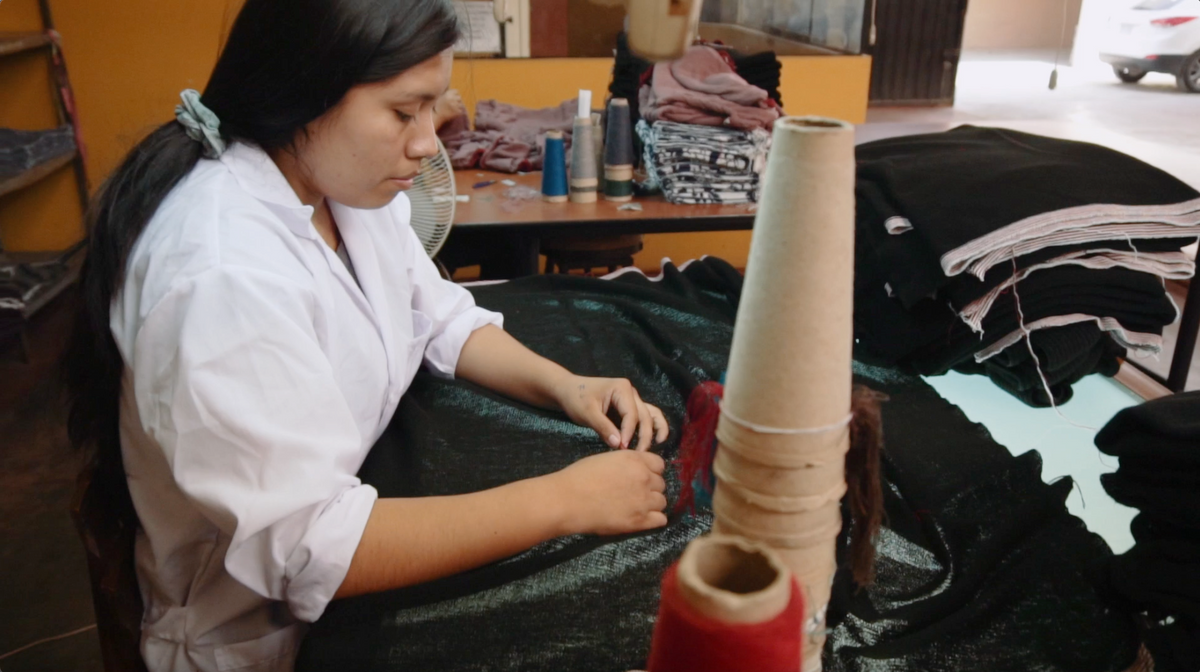
02 Making
Depending on the piece, that yarn is woven or knitted, then shaped with attention to proportion, movement and comfort.

03 Finishing
Edges are refined, textures checked, and every piece is looked over before it leaves the workshop. Because the work is done by hand, small variations between pieces are part of what you are buying, not a fault.
BAFTS member
Our fair trade principles
Lacorine is a member of BAFTS, the British Association for Fair Trade Shops and Suppliers. Membership is a commitment to trade by fair trade principles with the people who make our products. These are ours, and what they mean in practice.
- 01
A fair price and a living wage
Fair pay and a living wage are agreed with every supplier, and women doing the same work as men are paid at the same rate. Our contract with each manufacturer requires that the people making our products are paid a fair wage, in conditions conducive to their health and safety, with provision for healthcare.
- 02
Paid up front
We pay an interest-free deposit of at least half the order value when we place an order and the balance when the shipment is received. A local employee in Peru makes sure that money reaches the producers.
- 03
Open and transparent trading
We share the information our partners need, keep communication open along the supply chain and consult suppliers before changing or cancelling an order. Where an order is cancelled through no fault of the producer, work already done is paid for.
- 04
Working conditions
Working hours and conditions in our supply chain meet national law and the conventions of the International Labour Organization. We know the health and safety conditions in the groups we buy from and press for them to improve.
- 05
No child labour, no forced labour
We follow the UN Convention on the Rights of the Child and national law on the employment of children, and there is no forced labour anywhere in our supply chain.
- 06
Equal treatment
No one is treated differently in hiring, pay, training, promotion or retirement on grounds of race, caste, national origin, religion, disability, gender, sexual orientation, union membership, political affiliation, HIV status or age, and everyone is free to join a trade union and bargain collectively.
- 07
Opportunity for small producers
We buy from small and marginalised producers and family businesses, and aim to give them secure, long-term work so that their income is reliable and their businesses can stand on their own. Where we can, we help with management skills, production capability and access to markets beyond Peru, and our designs draw on the traditional skills and cultural identity of the people who make them.
- 08
Promoting fair trade
We tell our customers plainly how we trade and who we trade with, and we advertise honestly. This page is part of that.

Fibre, animals and environment
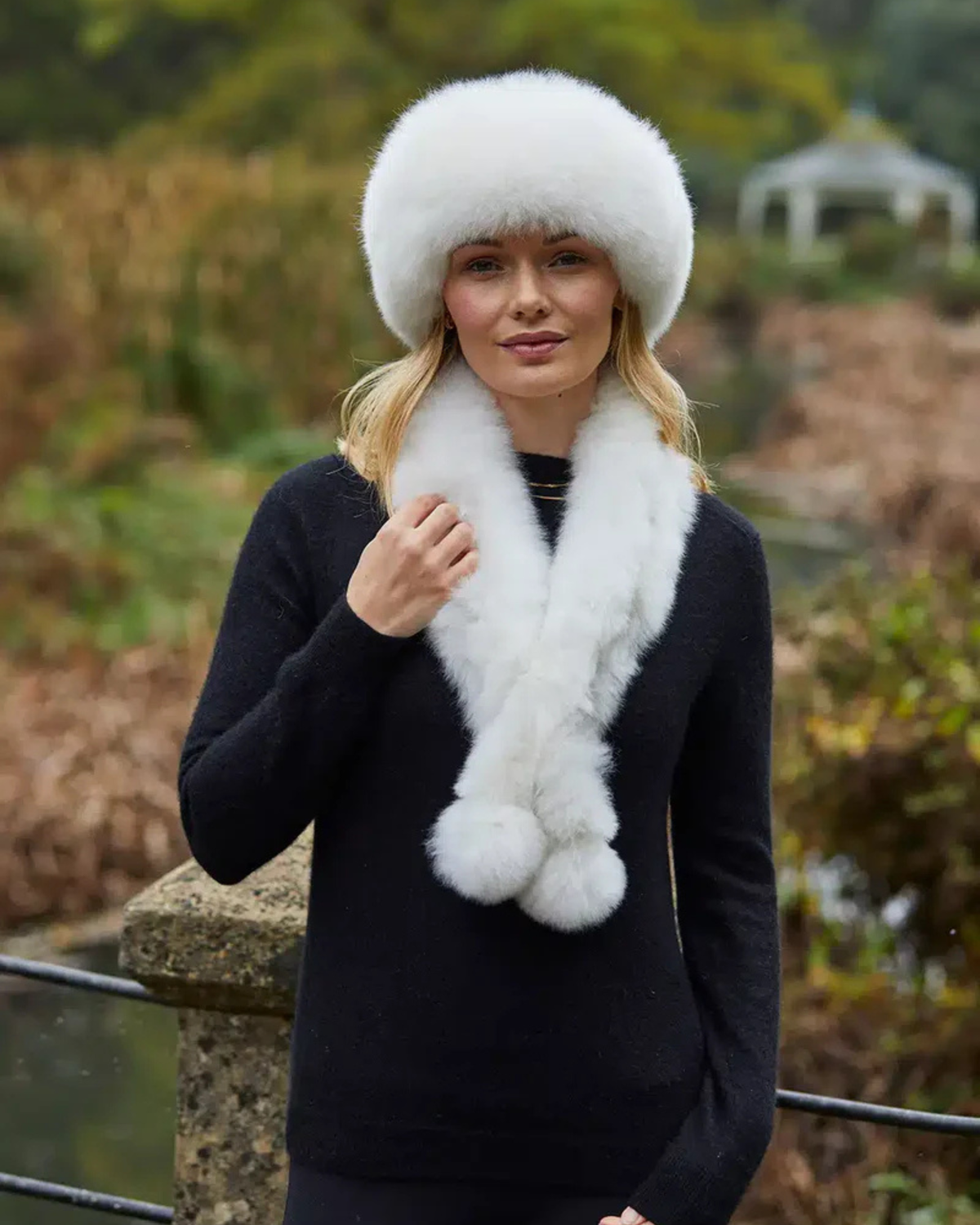
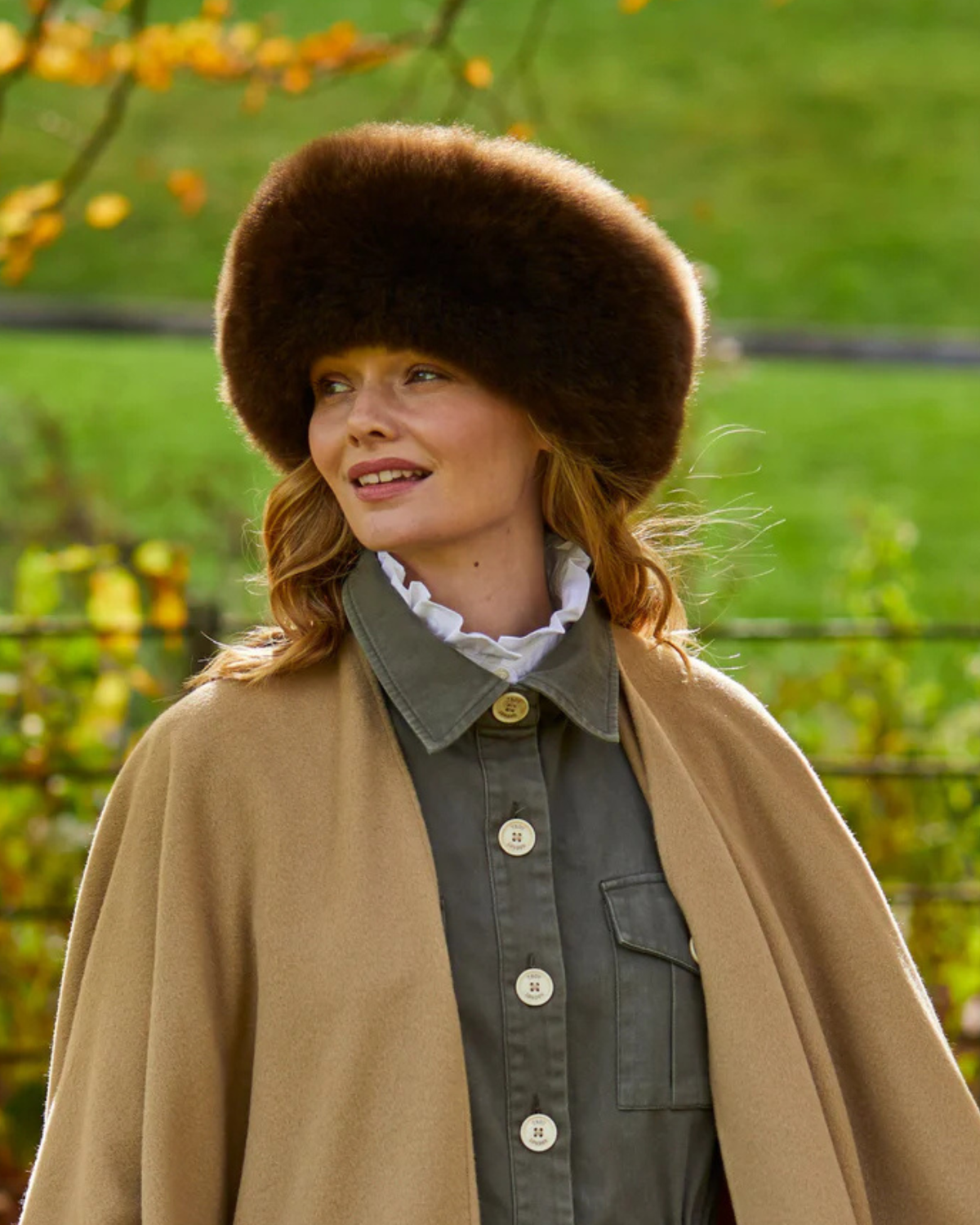
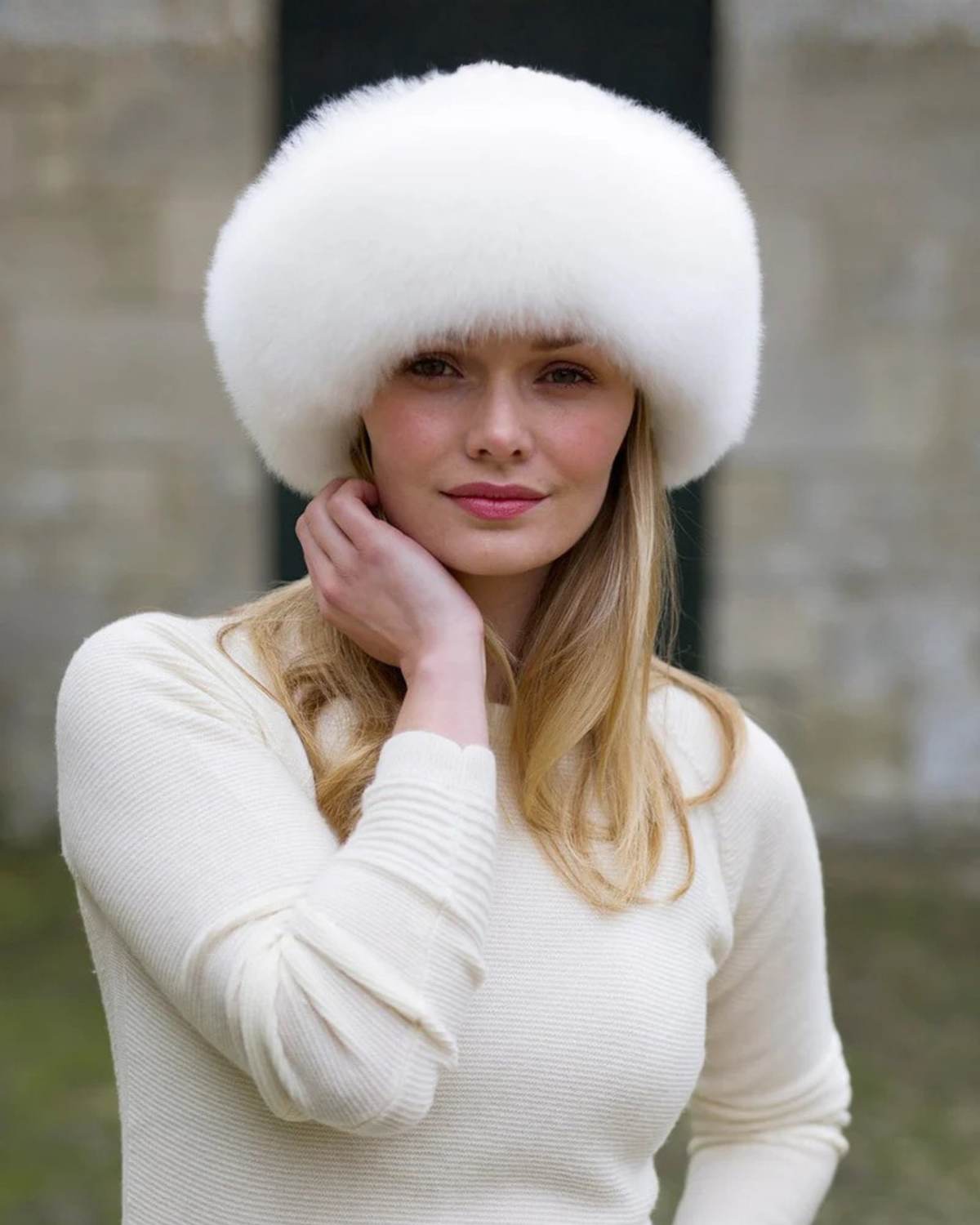
Alpaca is a renewable fibre. The animals are shorn once a year, in season, and the fleece grows back; shearing is done with care for the animal's wellbeing. We use raw materials from sustainably managed sources, buy locally where we can, pack in recycled or readily biodegradable materials, and ship by sea wherever possible rather than by air. The alpaca fur in our hats, headband, slippers, scarf and teddy bears comes from natural herd loss in the Peruvian highlands, from animals that do not survive the harsh winters. It is used in its natural colour, without dye or bleach.

Made to last
The most useful thing a garment can do for the environment is stay in use. Alpaca helps: it is strong, holds its shape and softens with age rather than wearing thin. We design around that, with fewer pieces, simpler shapes and construction that will take years of wear, and we keep the range small rather than chasing seasons.
No way of making things is without impact, and we would rather say so than make claims we cannot stand behind. Our approach is to produce less, produce it well, work with people we know, and keep improving.
Responsibility shows in how something is made, how long it lasts and how it is valued over time.
The Lacorine Story

Made this way
Alpaca Hats & Headbands




BAFTS MEMBER